Whether you are cracking open a crisp treat at the end of a meal or sharing a laugh over a cryptic message, fortune cookie sayings remain a staple of the modern dining experience. These small, printed slips of paper often contain a blend of vague advice, lucky numbers, and lighthearted humor that somehow feels both universal and strangely personal.
While many dismiss them as simple novelties, the history and evolution of these phrases reveal a fascinating intersection of culture, industry, and human curiosity. Exploring the origins and the enduring appeal of these messages offers a unique look at how a simple snack transformed into a global social ritual.
The Origins and Evolution of the Fortune Cookie
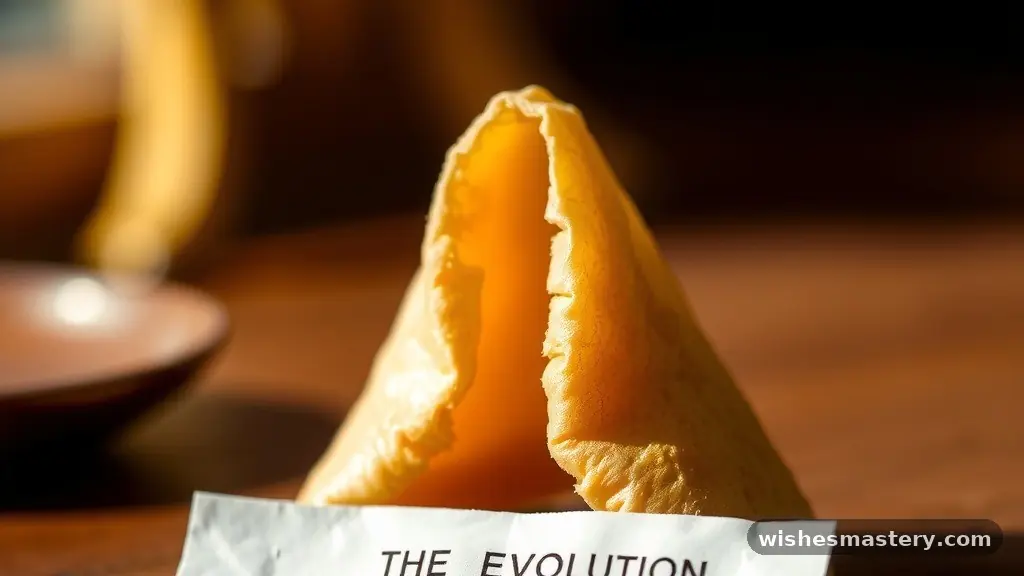
Many people assume these treats originated in ancient China, but the truth is rooted firmly in the American landscape. The precursors to these cookies can be traced back to Japanese tea cookies, which were slightly larger and darker than the versions found in American restaurants today. Historical records suggest that Makoto Hagiwara, a designer who managed the Japanese Tea Garden in San Francisco‘s Golden Gate Park, was one of the first to serve these treats with a note tucked inside during the late 19th or early 20th century.
The transition from a Japanese-inspired snack to a hallmark of Chinese-American cuisine happened primarily in California. During the mid-20th century, the restaurant industry adopted the cookies as a way to provide a light, sweet finish to a meal.
As the popularity of these treats spread, mass production became necessary to meet demand. This shift moved the production away from small, artisanal bakeries and into the hands of large-scale manufacturers, eventually leading to the massive operations we recognize today.
Manufacturing the Message: How Sayings are Created
The manufacturing process for these paper messages is far more systematic than most diners realize. Rather than being written by a single sage or philosopher, these messages are often curated by teams of writers or sourced from databases of aphorisms and wisdom literature.
Large companies, such as Wonton Food Inc, manage millions of these cookie slips each day. Their team is responsible for brainstorming, testing, and rotating the messages to ensure that the content remains fresh, engaging, and culturally relevant.
Modern production involves high-speed machinery that folds the cookie while simultaneously inserting the paper strips. This requires a delicate balance of timing and precision.
Because the messages are printed on long rolls of paper and cut during the folding process, the system must be perfectly synchronized. This industrial approach ensures that even the most whimsical or profound messages can be distributed to thousands of restaurants across the country with minimal human error.
The Role of Humor and Wit in Modern Messages
While original versions focused on vague, fortune-telling advice, contemporary fortune cookie sayings have pivoted toward humor and witty observations. This shift reflects a changing consumer preference; people are less likely to treat a cookie as a prophetic source of truth and more likely to view it as a source of entertainment. You might find a clever pun, a sarcastic remark, or a playful jab at the reader’s life choices.
This transition into comedy has made the experience more communal. When a table of friends opens their cookies, the fun lies in reading the messages aloud to see who received the most absurd or relatable statement. By moving away from serious, almost-mystical predictions, the industry has successfully kept the tradition alive for younger generations who might otherwise find the concept of a “fortune” to be outdated or irrelevant.
Fortune Cookie Sayings and Daily Affirmations
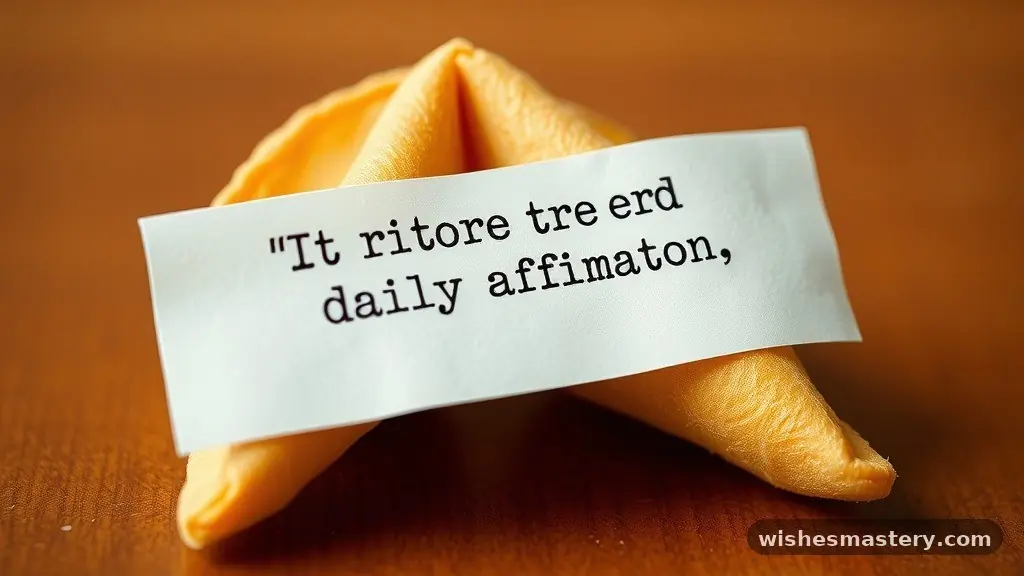
Beyond the humor, many people still appreciate the positive, motivational messaging found in these slips. For many, these short phrases serve as a form of daily affirmations.
A simple reminder like “Your kindness will be rewarded” or “A new opportunity is on the horizon” can provide a brief moment of optimism in an otherwise stressful day. This psychological effect, often called the Barnum effect, suggests that individuals believe vague personality descriptions apply specifically to them.
These messages function similarly to horoscopes or other forms of predictive text. Because they are intentionally broad, they can be applied to almost any situation.
This flexibility is their greatest strength; it allows the reader to project their own hopes, fears, and current struggles onto the text. Whether you are seeking a career change or a personal breakthrough, the message often provides the exact comfort you were looking for at that precise moment.
The Cultural Significance of the Paper Strip
The inclusion of lucky numbers alongside the text is another layer of the tradition that adds to its longevity. For many, these numbers are more than just digits; they represent a small chance at fortune, whether through a lottery ticket or a personal decision. This integration of luck and linguistics transforms a simple cookie into a game of chance.
| Category of Message | Typical Tone | Primary Goal |
|---|---|---|
| Wisdom/Advice | Serious, Reflective | Provide guidance |
| Humorous/Witty | Lighthearted, Sarcastic | Provide entertainment |
| Motivational | Uplifting, Positive | Boost morale |
| Prophetic | Mysterious, Vague | Create curiosity |
This table highlights how the variety of messages keeps the experience from becoming repetitive. By diversifying the types of content, manufacturers ensure that every guest at a table has a different experience, which encourages conversation and interaction among diners.
Debating Cultural Appropriation and Authenticity
The history of the fortune cookie is often discussed within the context of cultural appropriation. Because the cookies are not actually a traditional Chinese invention, some critics argue that their association with Chinese food is a form of misrepresentation.
However, many in the Chinese-American cuisine community view them as a distinct evolution of their own culinary history. They represent a unique diaspora experience where different cultural influences—Japanese, Chinese, and American—converged to create something entirely new.
Understanding this history helps us appreciate the complexity of food culture. It is not always about preserving an ancient recipe but rather acknowledging how food changes as it travels.
The fortune cookie is a symbol of American innovation as much as it is a nod to Asian influences. By viewing it through this lens, we can appreciate the tradition without feeling the need to label it as strictly “authentic” or “inauthentic.”
The Intersection of Technology and Tradition

As we move further into the digital age, the concept of the fortune cookie is beginning to embrace retro-futurism and digital integration. You can now find apps that generate endless streams of these messages, and some restaurants are experimenting with QR codes that lead to personalized digital content. This shift toward digital delivery reflects broader social trends where physical objects are being replaced or augmented by technology.
Despite these changes, the tactile experience of breaking a cookie remains unmatched. There is a physical satisfaction in the snap of the shell and the act of unfolding a small piece of paper.
This sensory input is a critical part of the dining experience. Even if the digital versions are more convenient, they lack the anticipation and the physical interaction that make the traditional cookie a beloved end-of-meal ritual.
Common Themes in Wisdom Literature
If you look at a large collection of these messages, you will notice that they often draw from Confucian philosophy and other forms of Eastern wisdom literature. Concepts like patience, humility, and the importance of hard work are frequent themes. Even when these ideas are simplified for a broad audience, they retain a kernel of truth that has been passed down through generations.
- Patience is a virtue that rewards those who wait.
- Hard work today leads to a prosperous tomorrow.
- True wisdom comes from listening more than speaking.
- Happiness is not a destination, but a way of life.
- A small act of kindness can change the world.
These recurring themes show that while the medium may be a light snack, the underlying messages are rooted in long-standing human values. They remind us that regardless of our background, we all share similar aspirations for peace, success, and personal growth.
The Psychology Behind the Fortune
Why do we keep reading these messages even when we know they are mass-produced? Part of the answer lies in our innate desire for patterns and meaning.
When we encounter a message that seems to align with our current life circumstances, our brains are wired to find significance in that coincidence. This is a harmless and enjoyable way to engage with the world.
Furthermore, the act of sharing these messages strengthens social bonds. When you read your fortune to a partner or friend, you are engaging in a shared ritual that fosters connection.
It is a moment of vulnerability and laughter that can break the ice or deepen a conversation. The fortune cookie is essentially a social tool, and its effectiveness is measured not by the accuracy of the prediction, but by the quality of the interaction it facilitates.
Addressing Topical Gaps: Beyond the Cookie
A common question that arises is whether these messages can be used for more than just entertainment. Some educators and writers have started using them as prompts for creative writing or as tools for mindfulness. By taking a random phrase and using it as a starting point for a story or a reflection, you can turn a simple snack into an exercise in creativity.
Another gap in the discussion is the role of the “fortune” in modern business. Some companies have begun using customized slips for marketing or team-building events.
By printing specific company values or team goals on the paper, they are repurposing an old format to communicate new ideas. This versatility shows that the format of the fortune cookie is far from exhausted; it is a flexible vessel for any kind of short-form communication.
Conclusion
The world of fortune cookie sayings is much deeper than the simple, sugary shells suggest. From their humble beginnings in California to their status as a global phenomenon, these small paper slips have mirrored the changing tastes and social needs of our society. Whether they are providing a moment of levity through a witty joke or a moment of reflection through a timeless aphorism, they remain an essential part of the cultural tapestry.
As we continue to enjoy these treats, we are participating in a tradition that celebrates curiosity, connection, and the simple joy of a shared experience. Next time you find yourself at the end of a meal, take a moment to consider the history behind your message and enjoy the small spark of insight it brings to your day.
What is a good fortune quote?
A good fortune quote is one that resonates with your current life situation or offers a simple, positive perspective. Phrases about patience, the value of hard work, or the importance of kindness are generally considered the most effective and universally appreciated among diners.
What are some inspiring quotes about fortune?
Many inspiring quotes focus on the idea that you create your own luck through persistence and positive action. Common themes include “Your potential is limitless,” “A new beginning is just around the corner,” and “Success comes to those who believe in the beauty of their dreams.”
Can I tell people what my fortune cookie says?
Absolutely, sharing your fortune is a core part of the social experience. It is a common tradition to read your message aloud to the table, which often leads to laughter or meaningful conversation. There is no rule against sharing, and doing so usually enhances the fun.
Where do fortune cookie sayings come from?
They are typically created by writing teams at large manufacturing facilities or sourced from curated databases of wisdom and humor. Companies like Wonton Food Inc manage these databases, ensuring that the messages are updated regularly to stay relevant and engaging for a wide range of restaurant guests.